What the Researchers Measured
What happens when a chemical exposure interferes with an animal's hormone system - in this case, the pathway connecting the brain (pituitary gland) to the gonads that controls reproduction.
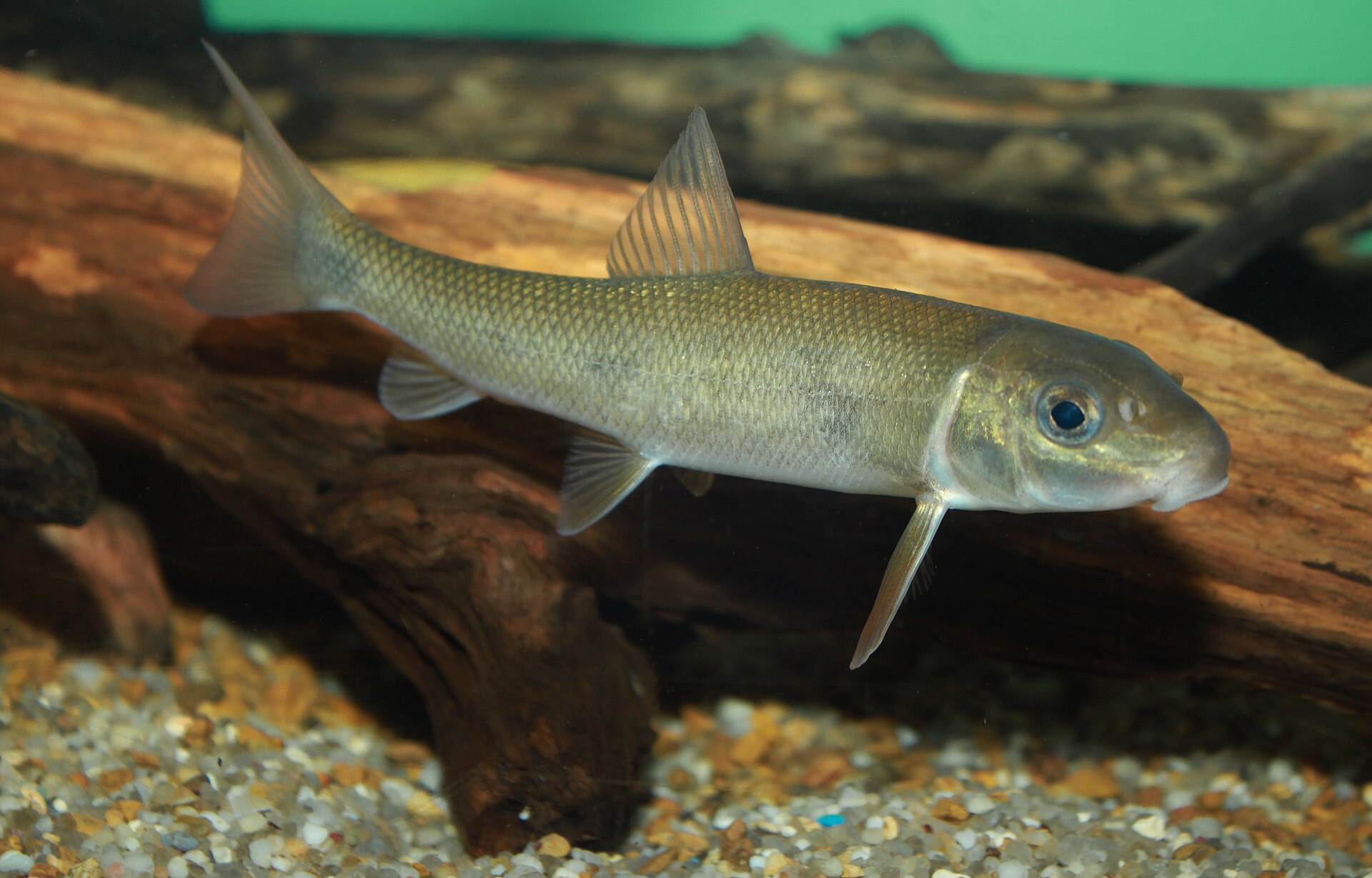
Reproductive studies on white sucker (Catostomus commersonii) began at Jackfish Bay in 1988 and, with some gaps, continued through 2019 - a genuine 30-year dataset. Endocrine disruption is what happens when a chemical exposure interferes with an animal's hormone system - in this case, the pathway connecting the brain (pituitary gland) to the gonads that controls reproduction. Researchers caught fish each spring and fall from Jackfish Bay and compared them to fish from Mountain Bay, an unpolluted reference site 60 kilometres away. Across three decades they tracked more than 75 physiological, chemical, and hormonal measurements - body condition, liver size, gonad size, circulating sex hormones, egg counts, and dioxin/furan contamination in liver tissue - to build a detailed picture of both the damage and, eventually, the recovery.
The earliest data, from 1988–1989, showed a consistent pattern: exposed fish were putting energy into growth and fat storage instead of reproduction. White sucker at Jackfish Bay had higher body condition and larger livers than reference fish, but smaller gonads, delayed sexual maturity, and depressed circulating sex steroids - testosterone sat under 40–50% of reference levels in both sexes. Fewer young fish appeared in the spawning run, and secondary sex characteristics used in mating were reduced by more than half. Contamination told the same story: in some years, liver dioxin and furan concentrations were more than ten times higher than at the reference site. Modelling based on these early reproductive changes projected a population decline of roughly 30%, with some estimates suggesting a 34–51% drop in annual recruitment.
Before and After Treatment
Recovery tracked closely with changes at the mill: secondary wastewater treatment went in during 1989, and bleaching chemistry moved away from elemental chlorine through the 1990s, reaching fully chlorine-free (ECF) production by 1999. The mill also went through several shutdowns and an ownership change in the 2000s. Researchers split the 30-year dataset into phases around these changes - a baseline period, an early-recovery phase after 1990, a phase following the 1990s process changes, and a final phase covering 2008–2019 - to track how fish biology moved with each shift.
Before / after
During exposure
Fish showed the classic energy-reallocation pattern: high body condition and liver size but small gonads, delayed maturity, and hormone levels less than half of the reference site's. Population modelling projected roughly a 30% decline, and liver dioxin/furan levels were sharply elevated.
After treatment improved
Differences between Jackfish Bay and the reference site narrowed substantially, though they didn't fully disappear. By the study's final phase (2008–2019), gonad and liver size were much closer to normal, egg counts were at or above reference levels, and the modelled population had recovered to roughly 90–94% of its estimated carrying capacity - up from the depressed levels of the late 1980s.