The Base of the Food Web
The worms, insect larvae, and molluscs living in and on the lake-bottom sediment. They sit at the base of the aquatic food web, breaking down organic material and, in turn, feeding fish and other wildlife.
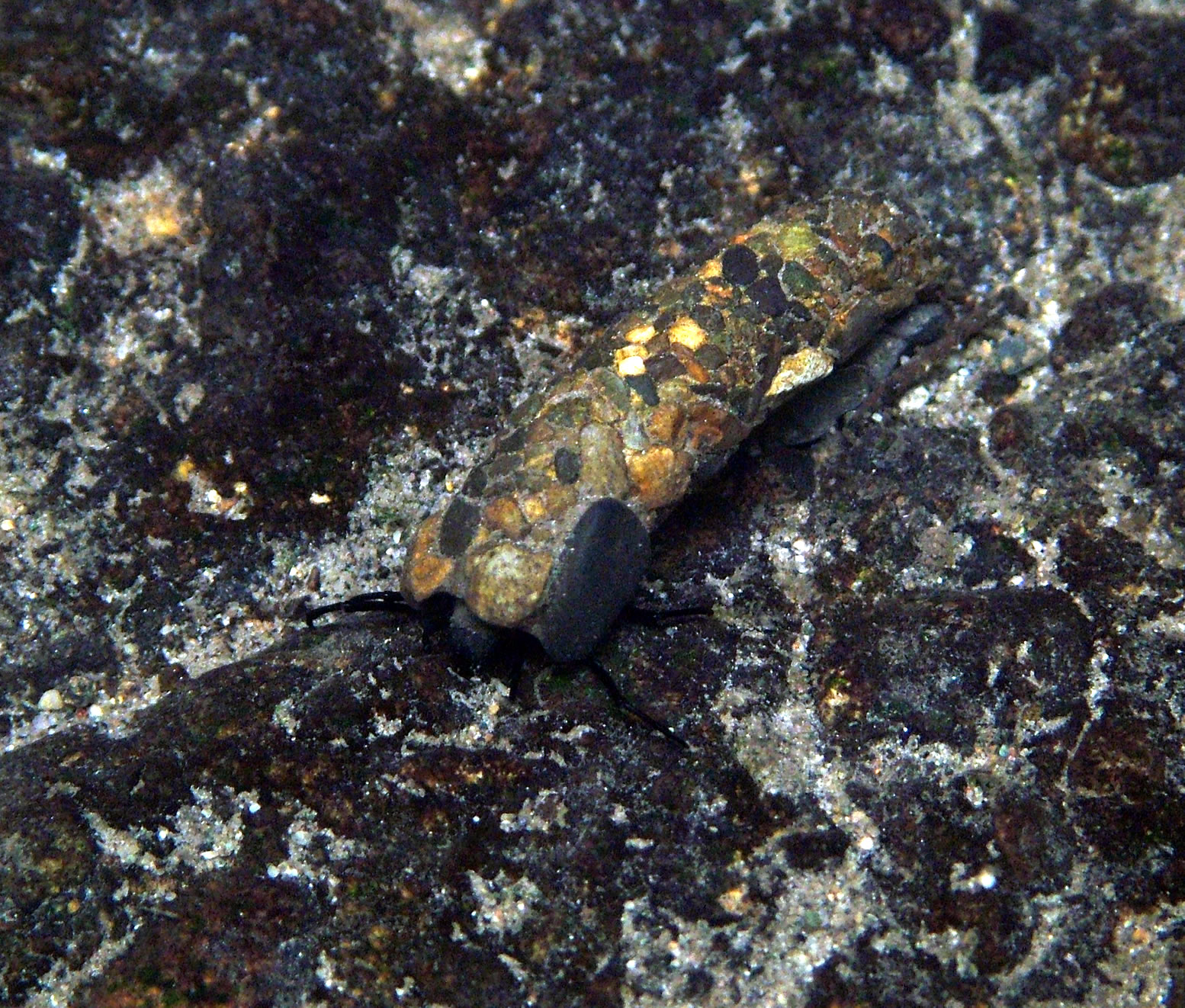
The benthic community - the worms, insect larvae, and molluscs living in and on the lake-bottom sediment - sits at the base of the aquatic food web, breaking down organic material and, in turn, feeding fish and other wildlife. A 2000 study sampled sediment at 44 stations across Jackfish Bay, measuring pollution-related variables (chlorine-based organic compounds, metals, organic carbon content) alongside natural ones (particle size, water depth, water clarity), then used a statistical technique called canonical correspondence analysis to work out which factors were actually shaping which communities lived where.
The analysis separated Jackfish Bay into three distinct zones. Closest to the outfall - within roughly 300 to 1,200 metres - sediment was heavily degraded, with high organic matter and chlorine-compound concentrations, and the benthic community there was almost entirely two species of pollution-tolerant tubificid worms, making up 64 to 100% of everything found. A little further out, a transitional zone held a more varied community of harpacticoid crustaceans, midge larvae, and worms. Beyond both zones, the benthic community closely resembled what's typically found in unpolluted, low-nutrient Lake Superior waters - small crustaceans, worms, and molluscs typical of a healthy cold-water lake bottom.
Separating Pollution from Natural Variation
Water depth turned out to matter almost as much as pollution: both the number of species present and their overall abundance declined significantly as depth increased, independent of contamination. By deliberately measuring natural variables alongside pollution ones, the study could attribute the sharpest ecological damage specifically to effluent exposure rather than to background differences in the bay's physical geography. That rigour is part of why the 2000 study still functions as a reliable pre-recovery benchmark: later benthic surveys, now part of Jackfish Bay's ongoing monitoring program, can be compared against these same three zones to see whether the degraded-sediment footprint has actually shrunk.