How Detection Methods Evolved
The first strong signal that pulp mill effluent could disrupt fish reproduction came from Sweden in the mid-1980s, where the Environment/Cellulose project found effects in fish at surprisingly low effluent concentrations near the Norrsundet mill. That triggered international debate - some researchers argued the Swedish findings were a one-off, unlikely to generalize elsewhere. Studies at Jackfish Bay, starting shortly after, helped settle that question by finding a strikingly similar pattern - elevated liver size, reduced gonad size - in a completely different mill system on a different continent, showing the effect wasn't unique to one Swedish site.
That combined body of evidence had concrete regulatory consequences. Canada developed a standardized, cyclical Environmental Effects Monitoring (EEM) program requiring pulp and paper mills to track fish health around their outfalls, and mills across the country invested more than $8 billion through the 1990s and 2000s on process changes to cut pollutant releases. Two of the authors behind this commentary - Munkittrick and McMaster - are also authors on the 30-year white sucker study, so this account is written from direct, hands-on experience with the Jackfish Bay data, not as an outside review.
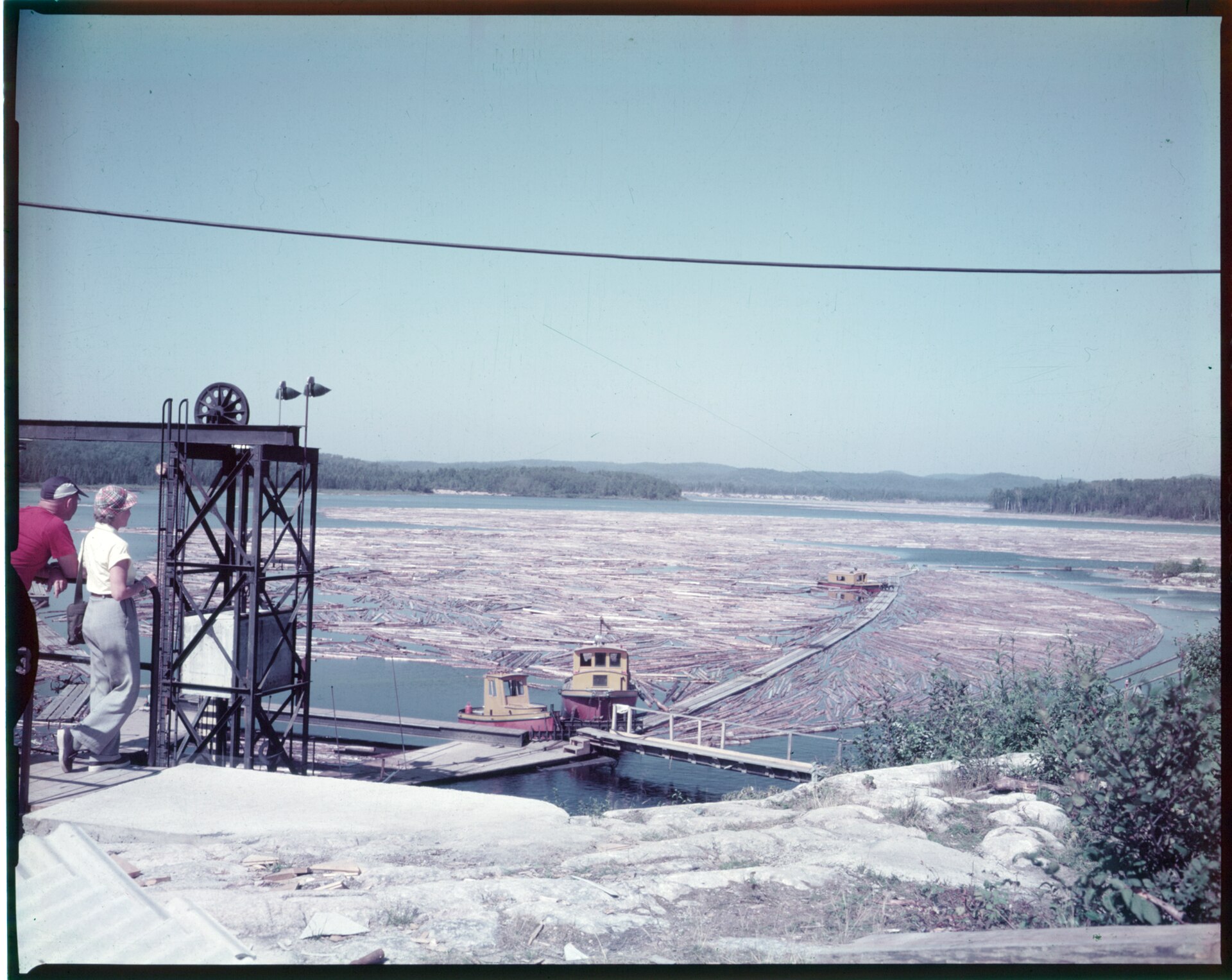
Jackfish Bay in a Broader Body of Research
Even with decades of monitoring, pinning specific effects to specific chemicals in a complex effluent mixture has remained genuinely difficult - mills typically make several process changes at once, muddying cause and effect. What is well established is the pattern's reach: findings from Jackfish Bay and Norrsundet together prompted comparable monitoring studies in more than 15 countries, meaning Jackfish Bay's recovery trajectory is one data point within a much larger, still-evolving international research effort on pulp mill effluent and fish reproduction.
Further reading - external links
- Munkittrick et al. (2013), Environmental Toxicology and Chemistry Explains why the causal chemistry stayed hard to pin down even as regulations tightened.
- Ussery et al. (2021), Frontiers in Endocrinology The full 30-year Jackfish Bay dataset this page draws its context from.
- Sibley et al. (2000), J. Aquatic Ecosystem Stress and Recovery Shows the same effluent-driven pattern at the level of the benthic community, not just fish.